Business License
Adjust Ergonomics to Prevent EyestrainAdjust ergonomics to prevent eye strain
Adjust Ergonomics to Prevent EyestrainAdjust ergonomics to prevent eye strain
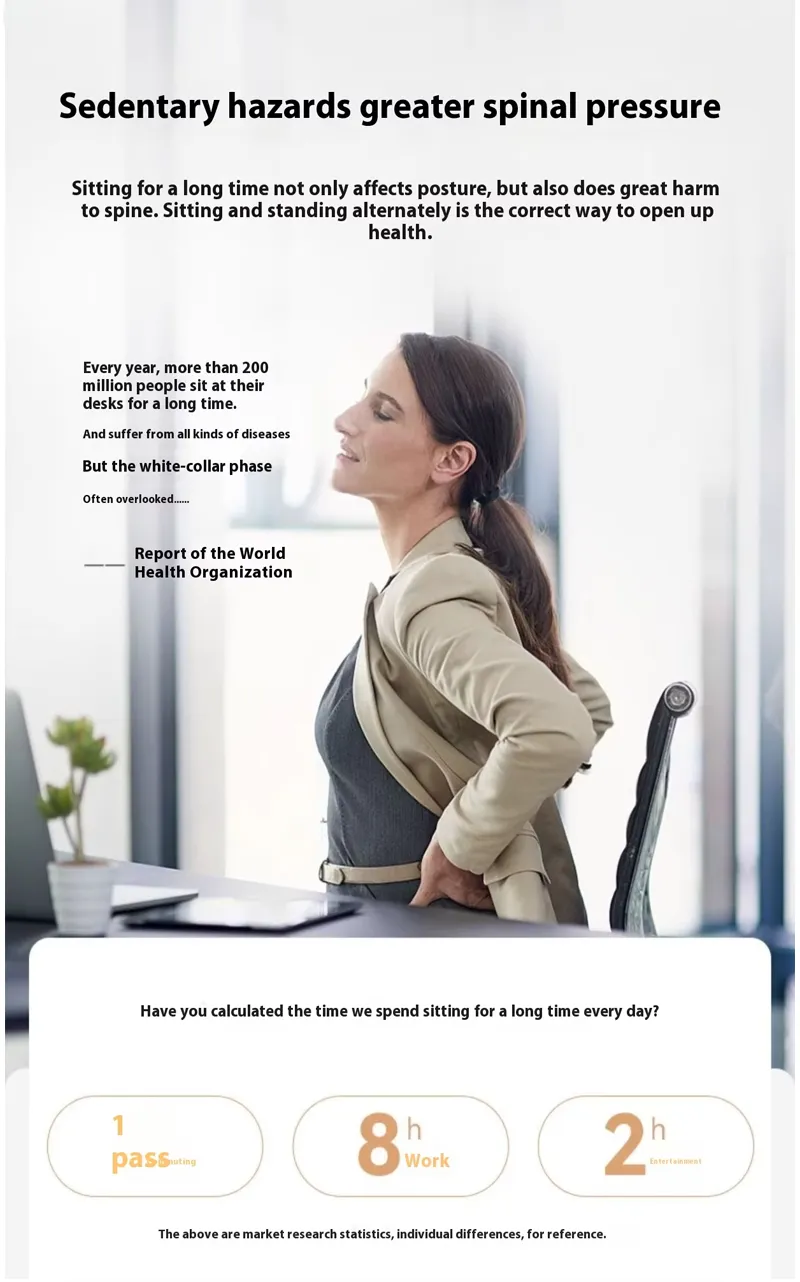
Over the last two decades, the usage of computers by office employees has expanded dramatically. Consequently, there has been a rise in the number of health concerns linked to computer usage, the most prevalent of which are vision and eye difficulties. While computer-related eye health concerns are typically only transient, they cause substantial pain to users and are entirely avoidable.Over the past two decades, the frequency of office employees using computers has increased significantly. As a result, there has been an increase in the number of health problems associated with computer use, the most common of which are vision and eye problems. While computer-related eye health problems are usually short-lived, they can cause severe pain to users and are completely avoidable.
The human eye is not built to stare at a computer display for lengthy periods of time. Previously, office work encompassed several tasks, such as reading, typing, writing, and filing, all of which required a diversity of motions and visual demands, reducing the chances of eye strain. Many of these diverse duties have become merged and completed more effectively from the desktop with the use of computers, lowering the number of 'natural' rests for office workers' eyes and raising the risk of strained eyes.The human eye is not designed to stare at a computer screen for long periods of time. In the past, office work encompassed a variety of tasks such as reading, typing, writing, and archiving, all of which required diverse motor and visual demands, reducing the likelihood of eye strain. Many of these diverse duties are done more efficiently on the desktop through the use of computers, reducing the number of "natural" breaks for office workers' eyes and increasing the risk of eye strain.
Risk Factors for Strained EyesRisk factors for eye strain
The following are the primary risk factors for acquiring eye or vision disorders as a result of computer use:The following are the main risk factors for eye or vision impairment due to computer use:
· Seeing visuals that are hazy or flickerSeeing blurry or flickering vision
· Seeing pictures or characters that are too tiny on the screenToo small pictures or characters appear on the screen
· Using a glare-free screen that reflects other picturesUse a glare-free screen that reflects other photos
· Working with too strong backdrop illuminationExcessive background lighting
· Sitting at an inconvenient angle to the screen (too near or too far away)Inconvenient angle for sitting in front of the screen (too close or too far away)
· Staring at a computer screen for extended periods of time, especially without taking breaksStaring at a computer screen for a long time, especially without rest
· Working in a high-stress situationWork in high-stress situations
How to Prevent Strained EyesHow to prevent eye strain
Individuals and organizations may take a variety of steps to reduce the risk of employees having eye issues as a consequence of computer usage. These are addressed in more detail below.There are various measures that individuals and organizations can take to reduce the risk of eye problems among employees due to computer use. These issues are discussed in more detail below.
Use A Computer Screen That Is Adequate for Your NeedsUse a computer screen that is sufficient for your needs
Make sure you have a big, clean display with a level surface. The user should also check that the contrast and brightness of their screen are readily adjusted and that the pictures shown on the screen are crisp, clear, and do not flicker.Make sure you have a large, clean, surface-level display. Users should also check that the contrast and brightness of the screen are easily adjustable, and that the image displayed on the screen is clear and does not flicker.
Workplace Ergonomics
The distance between the eyes and the computer screen is the most essential ergonomic element for eye strain. Users of computers should position their workstations in such a way that the computer monitor is between 18 and 30 inches away from their eyes. Additionally, pc users should take steps to prevent screen glare.The distance between your eyes and your computer screen is the most important ergonomic factor in relieving eye strain. Computer users should position their workstation 18 to 30 inches from their eyes from the computer monitor. In addition, computer users should take steps to prevent screen glare.
Placing computer displays at a 90-degree angle to windows (rather than right in front of the window or even behind it) and to the side, as opposed to directly underneath any light sources, are two ergonomic considerations that may help prevent glare (e.g., in between fluorescent lights).Placing a computer monitor at a 90-degree angle to the window (rather than directly in front of or even behind it) and on the side (rather than directly under any light source) are two ergonomic considerations that may help prevent glare (e.g., between fluorescent lights).
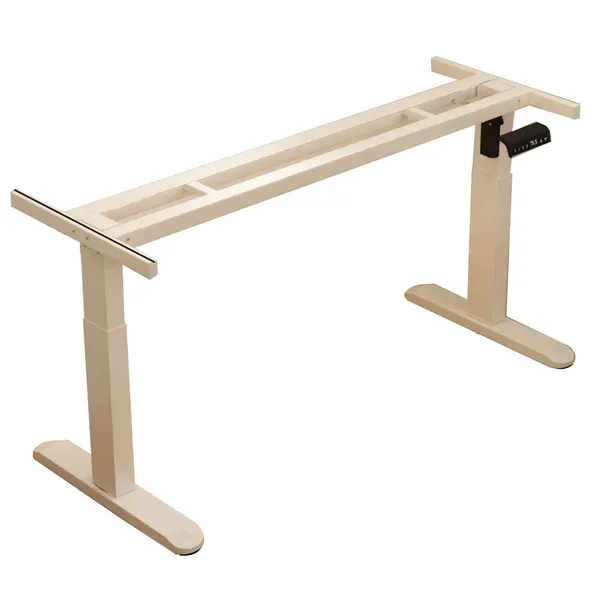
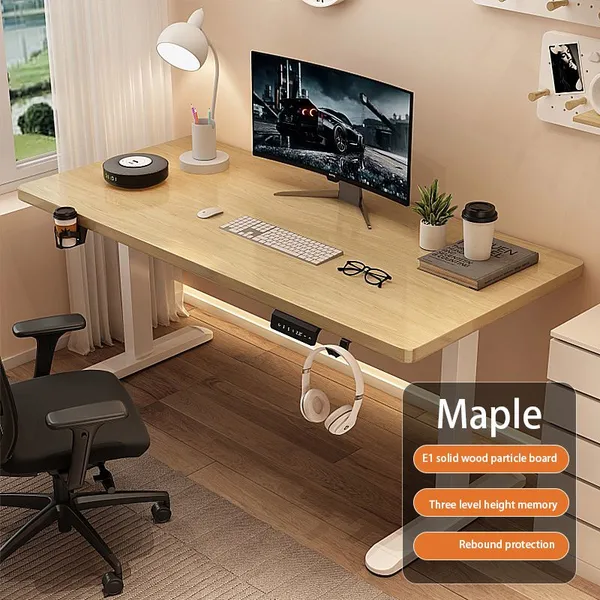
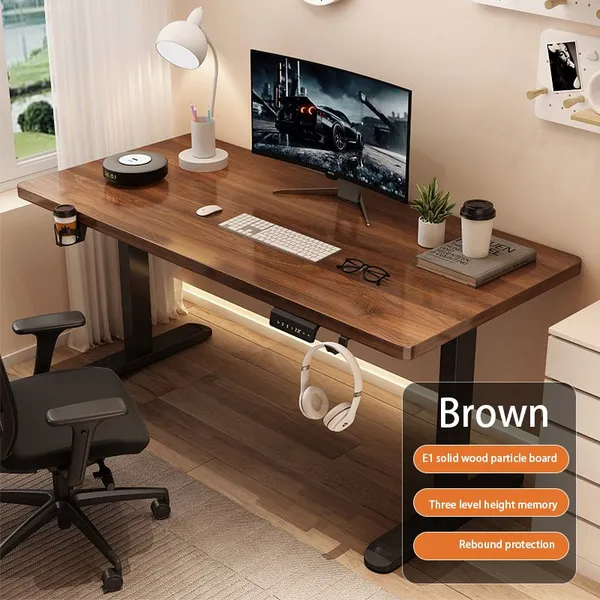
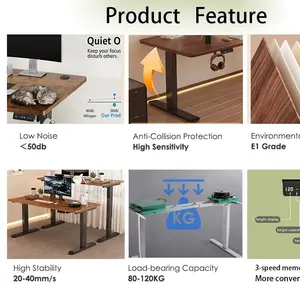
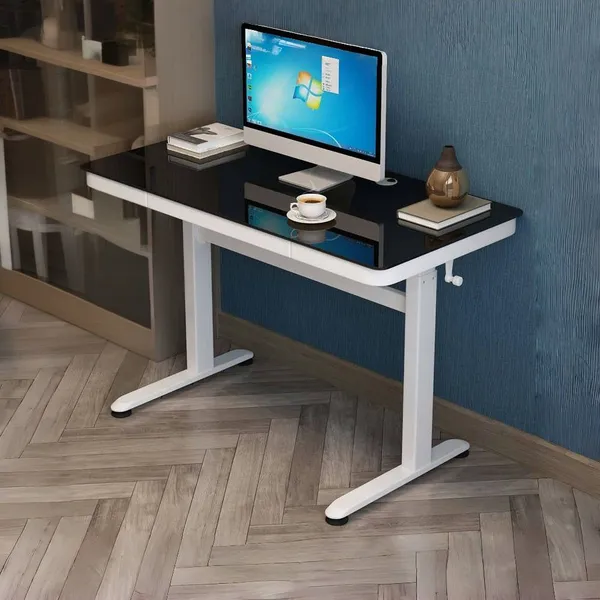
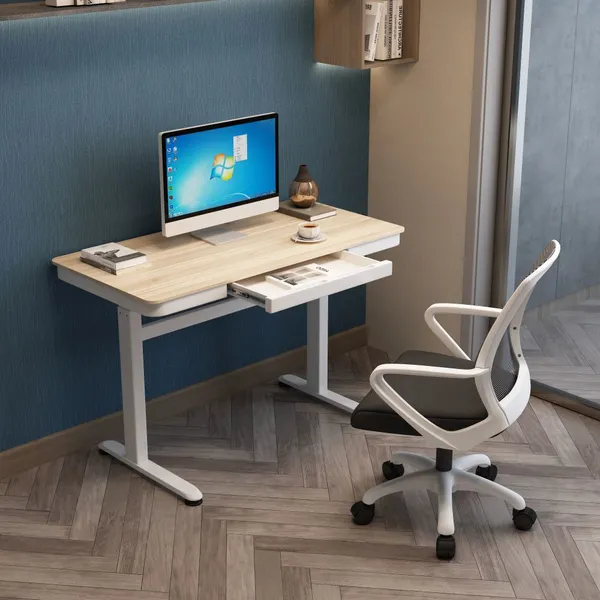
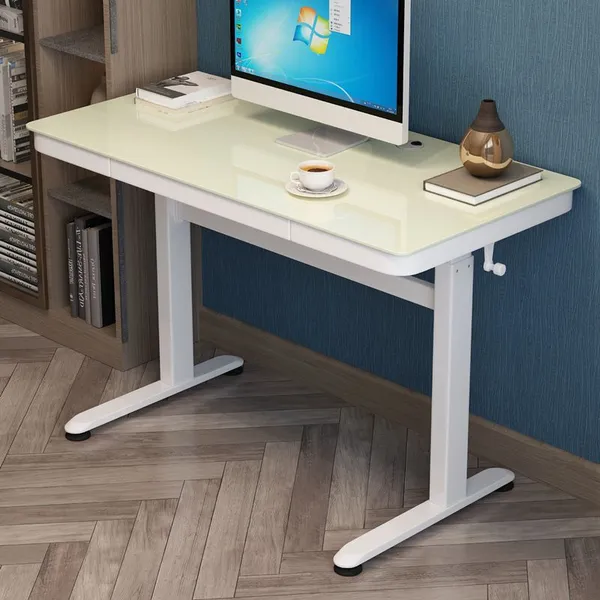
The best solution for workplace ergonomics to prevent eye strain is to get an adjustable standing desk that you can set according to your needs. This versatile adjustability can help you when you are working in different lighting conditions (such as working in daylight till after sunset). Setting it at the right height can ensure that you have a workstation that caters to your eye level.The best solution for workplace ergonomics to prevent eye strain is to buy an adjustable standing desk that you can set up according to your needs. This versatile adjustability can help you work in different lighting conditions (such as working in daylight until after sunset). Setting it up at the right height ensures that you have a workstation that fits your line of sight.
Reflection and GlareReflections and glare
It's also necessary to take precautions to avoid glare, shadow, and reflection from external light sources since they might cause eye strain. When there is a large difference between the light intensity in the background and foreground, glare occurs when a bright window is placed behind a computer screen.It is also essential to take precautions to avoid glare, shadows, and reflections from external light sources, as they can cause eye strain. Glare occurs when there is a large difference in light intensity between the background and foreground, placing a bright window behind a computer screen.
In glare, the eyes must continually adjust to the contrast between bright and dark regions, resulting in headaches, eye fatigue, and decreased vision. Eye strain may also be caused by glare reflecting from a computer screen.Under glare, the eye must constantly adapt to the contrast between the light and dark areas, which can lead to headaches, eye strain and vision loss. Glare reflected from computer screens can also cause eye strain.
The following are some ideas for reducing direct or reflected light in the office:Here are some ideas for reducing direct or reflected light in the office:
· Use blinds, curtains, or window tinting to control the natural light coming in via windowsUse blinds, curtains, or window tinting to control natural light coming in through windows
· Diminish the contrast between the backdrop and the foreground (for example, by using darker partitions behind the computer displays)Reduce the contrast between the background and foreground (for example, use a darker partition behind a computer monitor)
· Adjust the light falling directly on the work area by repositioning the workstation or light sourceAdjust the light directly hitting the work area by repositioning the workstation or light source
· Adjust the overall illumination intensity to fit the job at handAdjust the overall lighting intensity to suit the job at hand
· Select workplace furniture that is neutral or dark in color to prevent glare and reflection
· Alter the lighting source (filament lamps, sodium lamps, luminescent lamps, and mercury-arc lamps all provide varying amounts and qualities of light)
· Use glare-reducing screen filters
Lighting IntensityLighting intensity
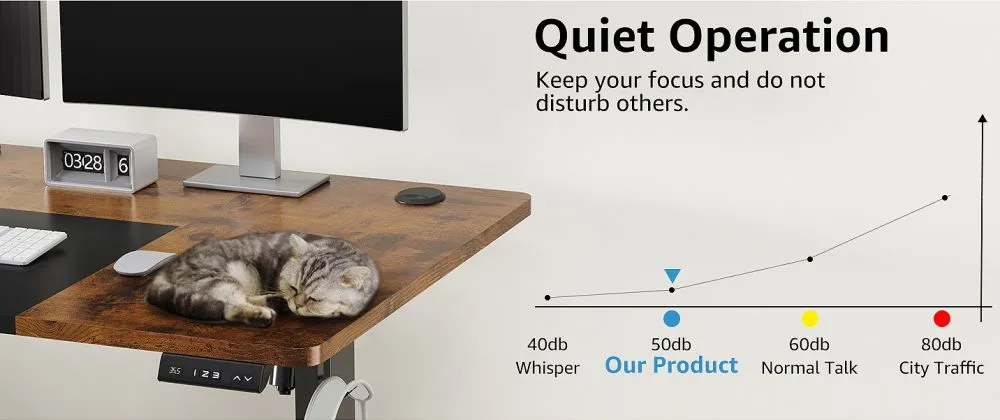
People should be able to readily observe their job without straining their eyes with good illumination. The sort of job being done will determine the amount of light needed. Fine and detailed work, like writing and reading, often conducted in an office setting, needs significantly more intense illumination than occupations that do not require complete illumination of the space (e.g., walking). While lights should be bright enough to allow for detailed sight without hurting the eyes, they shouldn't be so bright that they generate reflections and glare.People should be able to easily observe their work in good lighting without eye strain. The type of work done will determine the amount of light needed. Delicate work typically performed in an office setting, such as writing and reading, requires stronger lighting than occupations that do not require full lighting of the space, such as walking. While the lights should be bright enough to get a detailed view without harming the eyes, they should not be too bright to create reflections and glare.
Workers are more likely to suffer eye health issues if office lighting is either not bright enough or too intense. Computer users should work in environments that are between 200 and 500 lux bright. The lighting of roughly 300 lux is best acceptable in settings if there aren't any other bright light sources. Brighter lights between 400 and 500 lux are better suited to already bright surroundings or where there are huge contrasts in illumination. Flickering lights caused by old or broken fluorescent bulbs should be changed or serviced on a regular basis.If office lighting is not bright enough or too strong, employees are more likely to develop eye health problems. Computer users should work in an environment with a brightness of 200 to 500 lux. If there are no other bright light sources, it is best to accept around 300 lux of illumination in the setup. Brighter lights between 400 and 500 lux are better suited for already bright environments or places with large lighting contrasts. Flickering lights caused by old or damaged fluorescent bulbs should be replaced or repaired regularly.
Take Computer Breaks On a Regular BasisTake regular breaks from your computer
Users should take frequent pauses from gazing at their computer screens to enable their eyes to recuperate and concentrate on distant things. Clinical optometrists often recommend the 20/20/20 rule, which states that you should stare at anything 20 feet (6 meters) away for around twenty seconds after twenty minutes of computer usage.Users should often stop and stare at the computer screen to allow their eyes to recover and focus on what is far away. Clinical optometrists often recommend the 20/20/20 rule, which states that after 20 minutes of using the computer, you should stare at anything 20 feet (20 meters) away for about 20 seconds.
To avoid eye difficulties and muscular-skeletal diseases connected with computer usage, it is also suggested that computer users take longer pauses (at least one 15-minute break per 2 hours of computer use).To avoid eye problems and musculoskeletal disorders associated with computer use, computer users are also advised to take extended breaks (at least 15 minutes for every 2 hours of computer use).
· Computer users who spend a lot of time typing should take a 15-minute break every hour.Computer users who spend a lot of time typing should take a 15-minute break every hour.
· Regularly do eye exercises.Do eye exercises regularly.
· Computer users should spend a few minutes doing some easy eye exercises every hour.Computer users should spend a few minutes every hour doing some simple eye exercises.
· Wear spectacles rather than contact lenses.Wear glasses instead of contact lenses.
The use of contact lenses exacerbates the severity of dry-eye syndrome symptoms (keratoconjunctivitis sicca). Dry eyes syndrome is a frequent eye ailment among office employees, with data revealing that more than 48% of them suffer from it. As contact lenses may create friction if the eyes aren't sufficiently moisturized, office workers who use them have more serious symptoms of dry eye. While the eye's surface is dry, the lens gets dry as well and clings to the top eyelid when blinking. The pain is caused by the "friction effect" of dry eyes.The use of contact lenses can exacerbate the severity of dry eye symptoms (keratoconjunctivitis sicca). Dry eye syndrome is a common eye disease among office workers, with data showing that more than 48% of people suffer from dry eye syndrome. Since contact lenses can cause friction if the eyes are not adequately moisturized, dry eye symptoms are more severe for office workers who use contact lenses. When the surface of the eye is dry, the lens also dries out and clings to the upper eyelid when blinking. The pain is caused by the "friction effect" of dry eyes.
Prevent Your Eyes from Becoming DryPrevents dry eyes
Additional procedures that may be performed to keep the eyes from drying out include:Other measures you can take to prevent dry eyes include:
· If your eyes get dry, use artificial tears or lubricantsIf your eyes are dry, use artificial tears or lubricants
· Lower the screen so that the eyelid covers a larger portion of the surface of the eye since it is gazing downwardsLower the screen so that the eyelids cover most of the surface of the eye as the eyes gaze down
· Increase the number of times you blinkIncrease the number of blinks
· Drink 6 to eight cups of water every day to stay hydratedDrink 6 to 8 glasses of water a day to stay hydrated
Take A Vision Exam Once a Year
Standard computer users should get their vision tested at least once a year to address any issues with an eye expert. Since optometrists can diagnose eye problems early, they can devise preventive actions. It is critical that individuals inform their doctors whether they use computers since this may affect the kind of lenses recommended (if applicable).Standard computer users should have an eye test at least once a year to resolve any issues with an eye specialist. Since optometrists can diagnose eye problems early, they can develop preventive measures. Individuals must inform their doctor if they are using a computer, as this may affect the recommended lens type, if applicable.
Employee EducationEmployee education
Staff training should be offered to ensure that all staff has the necessary information to implement preventive measures. This involves understanding the symptoms and signs of eye strain, the need to take frequent breaks and do eye exercises, and the capacity to make simple changes to the work environment (such as the computer screen) to lessen eye strain.Employee training should be provided to ensure that all employees have the information they need to implement preventive measures. This includes understanding the signs and symptoms of eye strain, the need for frequent rest and eye exercises, and the ability to make simple changes to the work environment, such as a computer screen, to reduce eye strain.
ConclusionConclusion
Eye strain is a major problem for employees that can impact their vision in the long run. It is important to implement measures such as adequate lighting and adjustable desks so that they don’t have to strain their eyes while working.Eye strain is a major problem faced by employees and can affect their vision in the long run. It is important to take measures such as adequate lighting and adjustable desks so that they do not have to overdo it while working.


Contact Us
Recommended Products
-
 Rectangular White Standing Desk With Adjustable Height FeatureNegotiableMOQ: 20 Sets
 -
Adjustable Hand Lift Table Sit Standing Desk With Advanced Lifting Technology Home Office Study and Living Room Enhance Work EfficiencyNegotiableMOQ: 20 Sets
-
Adjustable Hand Lift Table Sit Standing Desk With Advanced Lifting Technology Home Office Study and Living Room Enhance Work EfficiencyNegotiableMOQ: 20 Sets
-
Adjustable Hand Lift Table Sit Standing Desk With Advanced Lifting Technology Home Office Study and Living Room Enhance Work EfficiencyNegotiableMOQ: 20 Sets
-
Stable Anti-Shake Single Motor Gaming Gamer Computer Study Standing Desk FrameNegotiableMOQ: 20 Sets
-
Stable Anti-Shake Single Motor Gaming Gamer Computer Study Standing Desk FrameNegotiableMOQ: 20 Sets
-
Stable Anti-Shake Single Motor Gaming Gamer Computer Study Standing Desk FrameNegotiableMOQ: 20 Sets
-
MNS Ergonomic Office Computer Electric Height Adjustable Standing Desk FrameNegotiableMOQ: 20 Sets
-
MNS Ergonomic Office Computer Electric Height Adjustable Standing Desk FrameNegotiableMOQ: 20 Sets
-
MNS Ergonomic Office Computer Electric Height Adjustable Standing Desk FrameNegotiableMOQ: 20 Sets
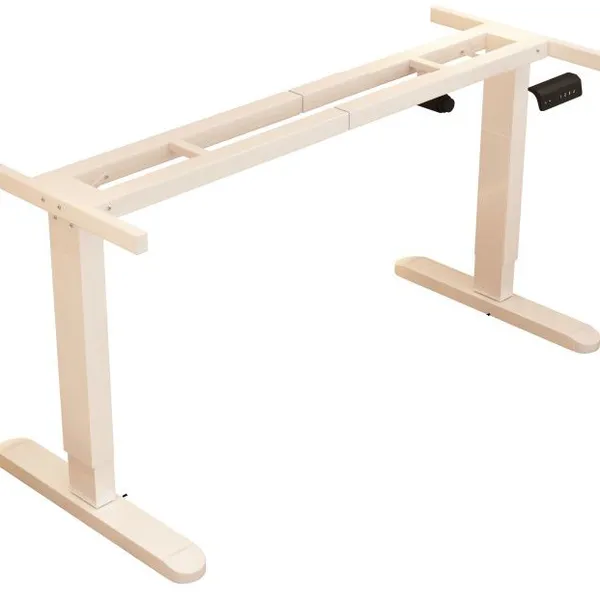
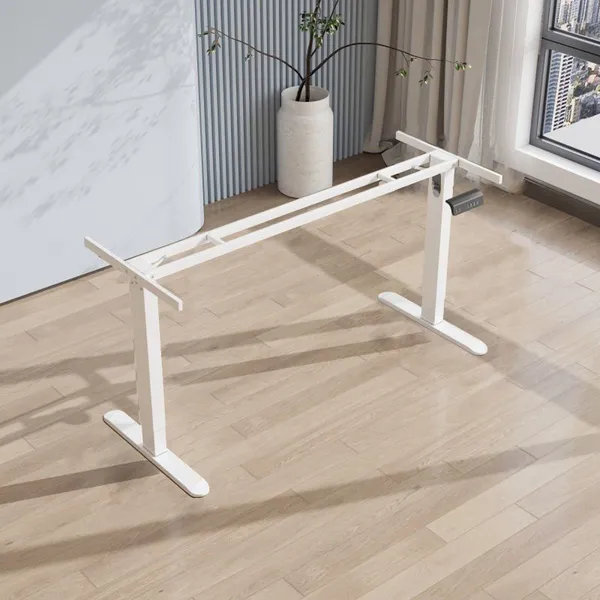
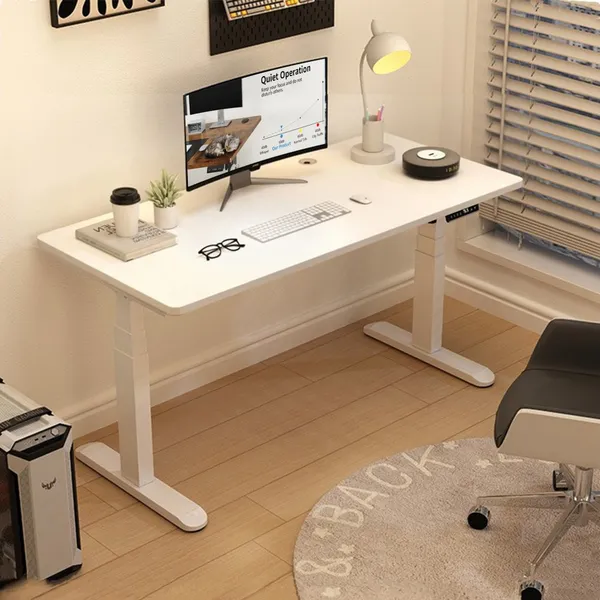
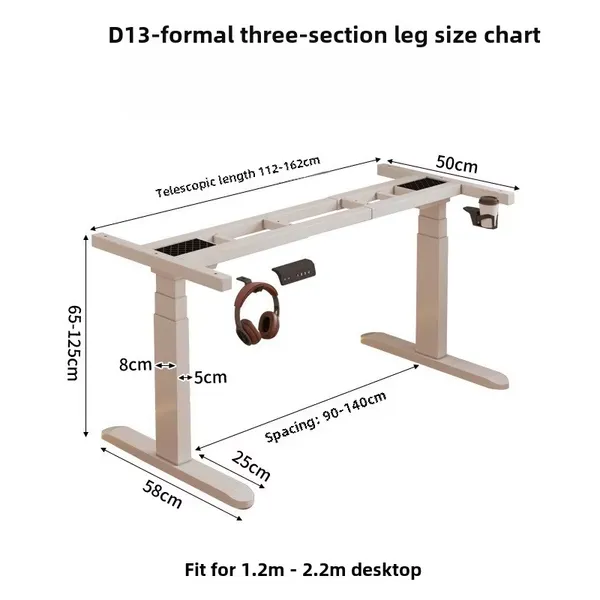
-
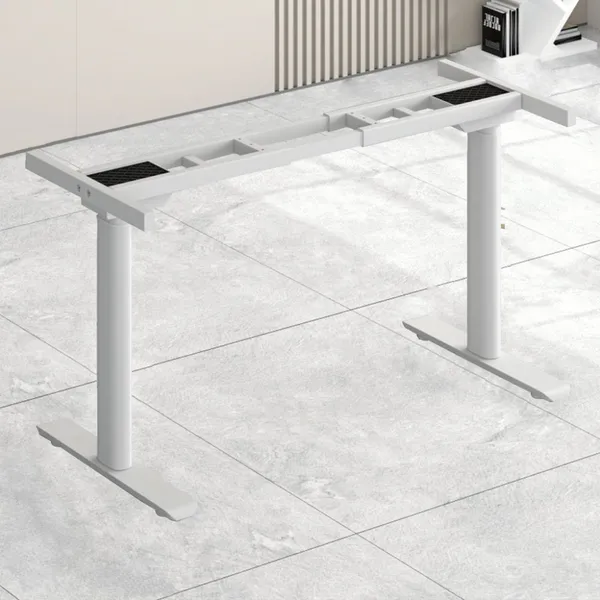
MNS Ergonomic Office Computer Electric Height Adjustable Standing Desk FrameNegotiableMOQ: 20 Sets
-
MNS Ergonomic Office Computer Electric Height Adjustable Standing Desk FrameNegotiableMOQ: 20 Sets
-
MNS Height Adjustable Standing Desk FrameNegotiableMOQ: 20 Sets
-
MNS Height Adjustable Standing Desk FrameNegotiableMOQ: 20 Sets
-
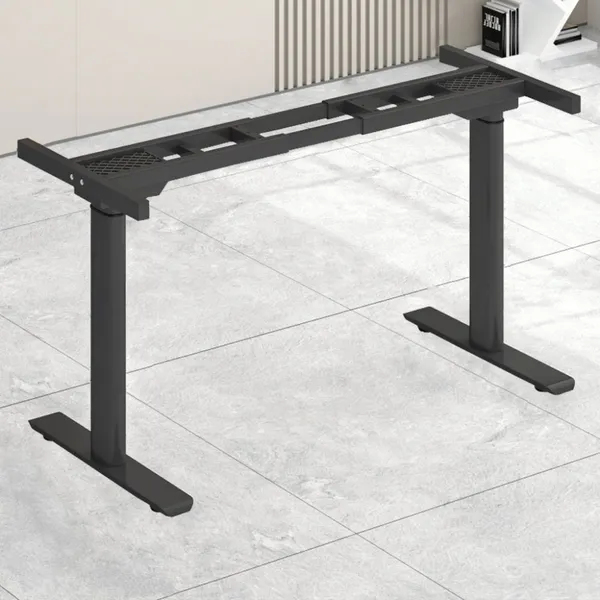
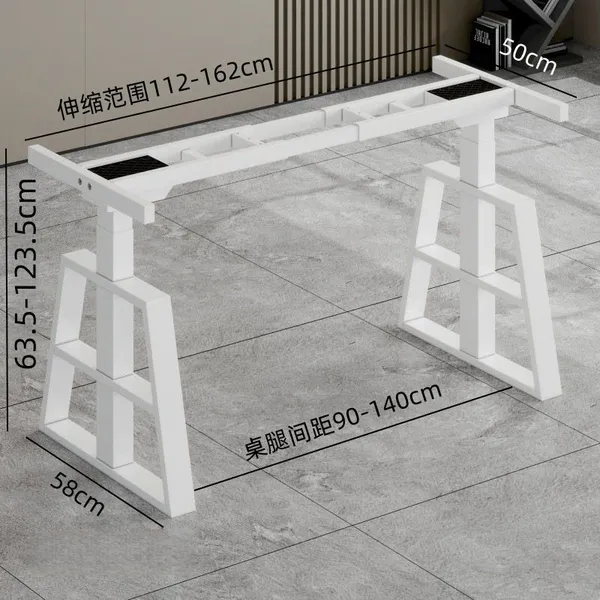
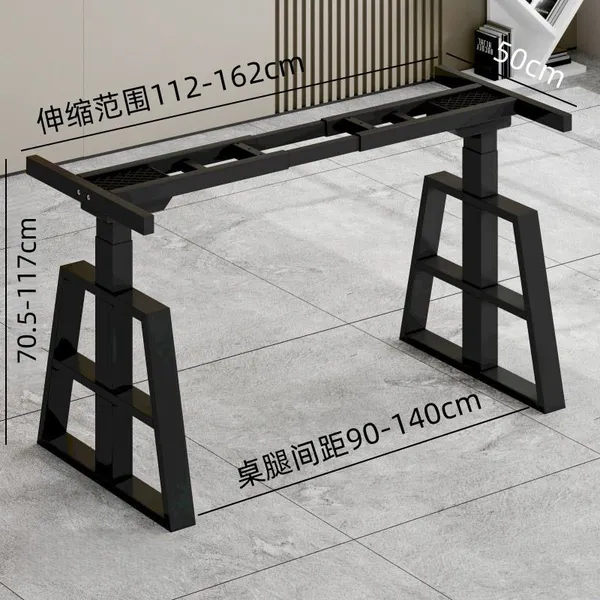
Mns Height Adjustable Standing Desk FrameNegotiableMOQ: 20 Sets
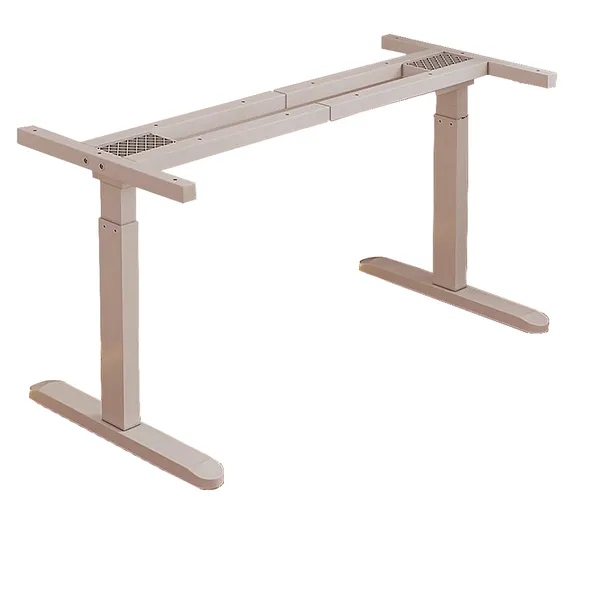
-
Hot The Latest Motor Stable Sitting and Standing Work Lifting Table Office Desk FrameNegotiableMOQ: 20 Sets
-
Hot The Latest Motor Stable Sitting and Standing Work Lifting Table Office Desk FrameNegotiableMOQ: 20 Sets
-
Smart Single Motor Electric Ergonomic Lifting Adjustable Height Gaming Sit Standing Desk With Drawer Home Office Laptop Computer Up Down RaisingNegotiableMOQ: 20 Sets
-
Smart Single Motor Electric Ergonomic Lifting Adjustable Height Gaming Sit Standing Desk With Drawer Home Office Laptop Computer Up Down RaisingNegotiableMOQ: 20 Sets
-
Smart Single Motor Electric Ergonomic Lifting Adjustable Height Gaming Sit Standing Desk With Drawer Home Office Laptop Computer Up Down RaisingNegotiableMOQ: 20 Sets